


Guide to annual maintenance of heating systems with specialized chemicals

Annual maintenance of heating systems with specialized chemicals
Is your heating system experiencing pressure drops, unusual noises, or inadequate heating after each winter season? These problems are usually caused by a lack of ongoing chemical maintenance — not equipment failure. Annual maintenance with specialized chemicals not only extends the life of the system by 2 to 3 times, but also reduces energy consumption by up to 20%. In this guide, we will teach you step by step how to implement a smart maintenance program, season by season, tailored to your system type.
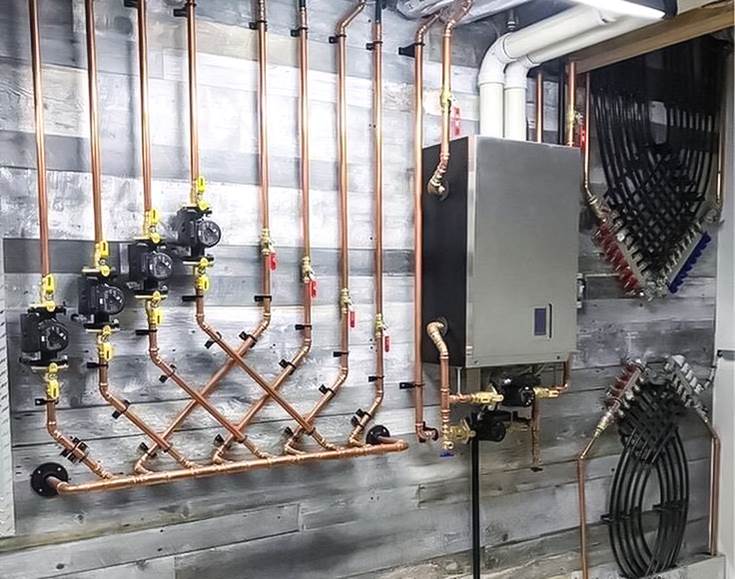
Why does your heating system fail without chemical maintenance?
Many people think that if the system is “working”, there is no need for intervention. But behind this appearance, three hidden factors gradually destroy the equipment:
1. Scale — from the accumulation of water salts on hot surfaces (exchangers, boiler walls)
2. Corrosion — especially in dead spots or long shutdown times
3. Foam and gas — caused by dissolved oxygen or improper chemical reactions
These factors lead to reduced heat transfer, increased pressure, temperature fluctuations and, ultimately, pump failure or burst pipes.
Three main components of an effective chemical maintenance program
For a successful maintenance program, “just one bottle of antifreeze” is not enough. You need an integrated system:
1. Annual analysis of circulating water
- Check pH (should be between 8.5 and 10)
- Measurement of total hardness and calcium/magnesium ions
- Determination of dissolved oxygen concentration
- Identification of sulfate-reducing bacteria (in semi-open systems)
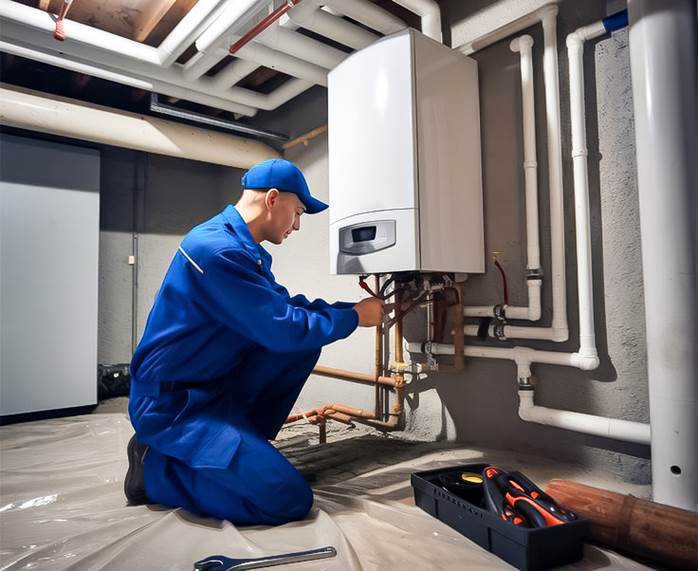
2. Inject or top up with protective chemicals
Chemicals degrade after 6 to 12 months. Even in shut-down systems, corrosion processes continue. Therefore, restore the surface of the materials every year before the heating season.

3. Periodic chemical flushing (every 2–3 years)
If the system has not been flushed for more than two years or if there are signs of pressure loss, use a mild, non-acidic descaling agent. This should be done by a professional to avoid damaging the metals.
Seasonal planning: What to do each season?
Spring: End of heating season — time to evaluate
- Shut down the system
- Take a sample of circulating water
- Perform an initial flush if necessary

Summer: Ideal time for maintenance
Because the system is resting, you can:
- Perform chemical flushing
- Inject protective agents
- Check sensors and expansion vessel
This is essential for villas, hotels and resorts in cold climates.
Autumn: Prepare for winter
- Check antifreeze and anti-boiler levels
- Top up anti-corrosion and anti-foaming agents
- Adjust system pressure and expansion vessel volume
Winter: Active monitoring
- Check outlet pressure and temperature weekly
- Pay attention to the sound of pumps
- Take any sudden changes seriously
Four essential chemicals for every heating system
1. Multi-metal corrosion protection
Heating systems usually include copper, steel, cast iron and aluminum. An effective formulation must protect all of these metals simultaneously — not just one.
2. Combined antifreeze and anti-boiler
This product not only lowers the freezing temperature (for example, to -48 ° C), but also raises the boiling point of water (up to + 120 ° C). This feature is very important for industrial engine rooms in the summer.
3. Antifoam
Scum reduces pump efficiency, pressure fluctuations and errors in temperature sensors. In systems with fast flow or open expansion sources, the use of antifoam is essential.
4. Biocide (for semi-open systems)
In cooling towers or open expansion sources, the growth of bacteria and algae is inevitable. The use of oxidizing or non-oxidizing biocides prevents the formation of biofilm and microbial corrosion.
When do you need laboratory analysis?
Warning signs
- Red circulating water (iron rust)
- Black water (iron sulfide or biofilm)
- Cloddy water or with suspended sediment
Pressure drop or pump roaring sound

How is the type of problem diagnosed?
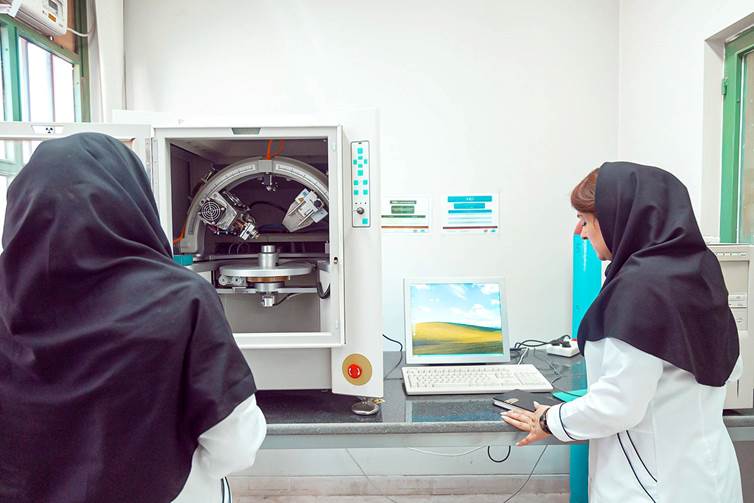
Specialized laboratories use methods such as:
- XRD (deposition type identification: carbonate, sulfate, silica)
- SEM/EDS (corrosion surface analysis)
- Chemical tests (ion concentration, bacteria)
to diagnose the exact type of problem and provide a customized solution.
Why is a “standard” formulation not enough?
Each region’s water has a different ionic composition. A formulation that works in Tehran may cause corrosion in Tabriz. The best solution is to use customized chemicals based on local water analysis.
❓❓❓ Frequently Asked Questions (and Practical Answers) ❓❓❓
❓ Do new systems also require chemical maintenance?
Yes. Even new systems are susceptible to immediate corrosion (especially in copper-steel connections). Protection from the start is to prevent hidden damage.
❓ What is the difference between general and specialized anti-corrosion?
General anti-corrosion is effective only on one type of metal. Specialized formulations are designed for multi-metal systems and are also anti-scale and anti-foam.
❓ Can I do the chemical cleaning myself?
In small domestic systems (such as villa packages), it is possible by following the instructions and using non-acidic materials. However, in large industrial systems or engine rooms, it is recommended to have this done by a specialist. (Introducing Mitreh Antifreeze)
❓ How much does annual maintenance cost?
The annual maintenance cost is usually less than 5% of the cost of replacing a pump or exchanger, but it can prevent breakdowns that are 10 to 20 times more expensive.
Conclusion: Annual maintenance is not a cost, it is a smart thing
Regular chemical maintenance is the only way to prevent unexpected breakdowns, reduce energy consumption and extend the life of equipment. With a simple seasonal schedule and the use of the right materials, you can keep your heating system trouble-free for years.
If you are not sure about the type of your system (domestic, industrial, automotive) or the quality of your local water, start with a professional analysis. This small task can prevent thousands of dollars in repair costs.
If you need expert advice to identify the type of scale or the optimal selection of chemicals, Abrizan Company specialists, with more than 20 years of experience in advanced laboratories, are ready to provide customized solutions to various industries.
share :
Related Articles

Does antifreeze reduce the thermal efficiency of the system?
Does using antifreeze in heating systems reduce efficiency? Scientific answer + solutions to compensate for performance loss.

Why is plain water not enough for home heating? — 4 scientific reasons
Plain water in the water heater causes deposits, corrosion, freezing, and boiling. How to prevent damage with specialized materials? A practical guide for the home
Antifreeze Calculation Guide for Villa Packages — Table + Practical Example
How to calculate the exact amount of antifreeze for a villa? Determine the amount of antifreeze step by step with the system volume and the temperature of the area. Prevent freezing.
Industrial antifreeze and anti-boiler: A complete guide to protecting heating and cooling systems
Why are industrial antifreeze and anti-scaling agents essential for circulating systems? A comprehensive guide to preventing freezing, scalding, corrosion and deposits in boilers, chillers and engine rooms
When to Replace System Antifreeze? — Testing and Replacement Guide
6 Signs Your Antifreeze Needs to Be Replaced + Proper Testing Methods at Home and in the Lab. Prevent Freezing and Corrosion.
Protecting Your Villa's Heating System Before Winter — The Complete Guide
How to protect your villa's heating system from freezing, corrosion, and damage before winter in 4 simple steps? Practical guide + antifreeze consumption table.
Introduction of antifreeze mitreh
Mitreh's antifreeze and antifreeze has a great performance in terms of heat transfer due to its high heat capacity, and it is considered the most economical and available fluid for this purpose. Water alone has a relatively low boiling point, which means that it boils at a high temperature, and it also has a high freezing point, which means that it freezes quickly in the cold, most importantly due to the presence of solutes, ions, dissolved oxygen, etc. Rotting and rusting of facilities and ducts.
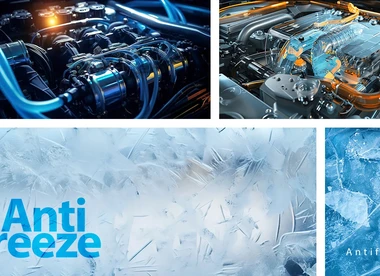
The importance of antifreeze and its uses
Antifreeze is a colored liquid that mixes with water and helps in regulating the engine in extreme temperatures. and is pumped throughout the engine block to maintain a uniform operating temperature. In addition to temperature regulation, mitreh antifreeze is also effective in preventing corrosion.
Submit your opinion
Your email address will not be published.